
- Please select the card you wish to join
-
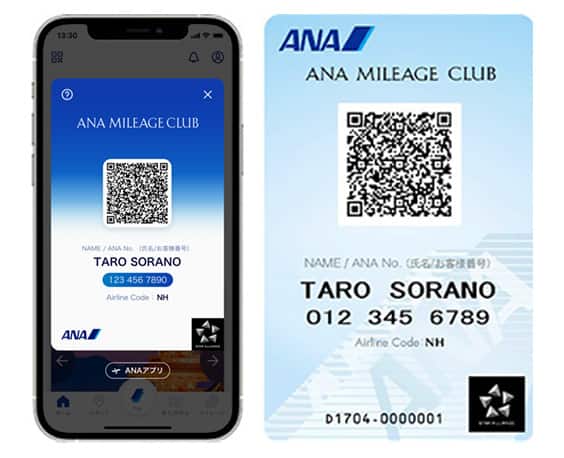
Get your digital card immediately
No enrollment or annual fees
ANA Mileage Club Card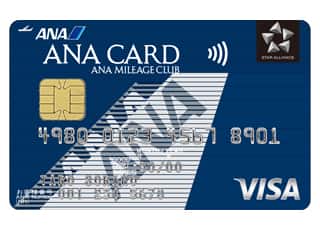
Earn more miles for your money
With credit function
ANA Card
Important Notice regarding Plant Quarantine
When bringing plants* into Japan, it is legally required to submit Phytosanitary certificate issued by the government of exporting country and to take import inspection based on the Plant Protection Act.
If Phytosanitary certificates are not presented, the plants will be disposed (Plant Protection Act).
Legal penalties may apply to violation cases such as imports without phytosanitary certificates or without plant import inspection: you will be caught in jail for max. three years or charged with max. one million yens.
-
*
Fruits,vegetables,cereals,cut flowers,seeds,seedlings,plant products(ex.dry flowerrs)etc.
Items prohibited from importing
◎ Representative plants (fresh fruits) that cannot be brought into Japan
-
Mango
-
Papaya
-
Lychee
-
Longan
-
Blueberry
-
Mangosteen
-
Rambutan
-
Guava
-
Pitaya (dragon fruit)
-
Cashew nut
-
Lianwu
-
Balsam pear
-
Marrow bean
-
Chili pepper
-
Tomato
- ◎ Items that cannot be brought into Japan from anywhere in the world
-
"Soil," "Plant with soil attached to it," "Injurious insects that are harmful to plants and subject to quarantine"
"Rice straw and unhulled rice (except for those brought in from the Korean Peninsula and Taiwan)"
For the latest information on the plant quarantine program, please refer to the Ministry of Agriculture, Forestry and Fisheries - Plant Protection Station website.
- Passengers bringing Plumeria plants and cuttings into Japan from the Hawaiian Islands
-
In conjunction with the amendments to the Ordinance of the Ministry of Agriculture, Forestry and Fisheries of Japan, the plant quarantine program for the import of plants and plant products into Japan has been partially revised effective May 24, 2017.
Please be reminded that it is prohibited to import Plumeria plants and cuttings from the Hawaiian Islands into Japan unless certain conditions are met.
For details of the plant quarantine program, refer to the Ministry of Agriculture, Forestry and Fisheries - Plant Protection Station website.






Member Login
Information for Members Logging In
- Before proceeding to log in, please be sure to read and accept the section on the purpose of using personal information in the ANA Privacy Policy.
- Points to note when using your AMC account.
Auto-Login with Cookies
- However, you will need to re-enter your password as a form of verification when making reservations, requesting awards, registering/revising personal information, and using other members-only functions.
-
The confirmation screen will reappear after closing all browser windows even if you checked "Do not show this screen again."
Entry of One-Time Password
If you have not received your one-time password
If your one-time password does not come through, please check your settings for receiving it and then re-send it.
If you do not do anything on the screen for a certain amount of time, you will have to request another one-time password.
Select your desired destination email address.
Do you really want to log out?
- If you click "Log Out," you will be logged out even if you have selected "Save Login Status."
- Close all open browser windows if you want to quit your session without logging out.
-
The confirmation screen will reappear after closing all browser windows even if you checked "Do not show this screen again."

ANA Biz is a business travel arrangement service.

-
MILES
-
ANA SKY COINS
-
Premium Point / Point on ANA /
-
Reservations
-
MILES
-
MILES
-
Login
-
Support